
Voice & Dialect
Your voice is one of your strongest instruments and establishes confidence and presence naturally. This course helps you connect with your voice, release tension and speak with clarity and ease, supporting stronger performance in auditions, rehearsals and everyday communication.


Find the power of your voice
When your voice is connected and supported, it becomes easier to be heard, understood and expressive. Confidence follows without forcing or performing it. Our Voice & Dialect classes focus on freeing the voice so it can respond naturally to intention, emotion and impulse
Instinctive & Structured Approach
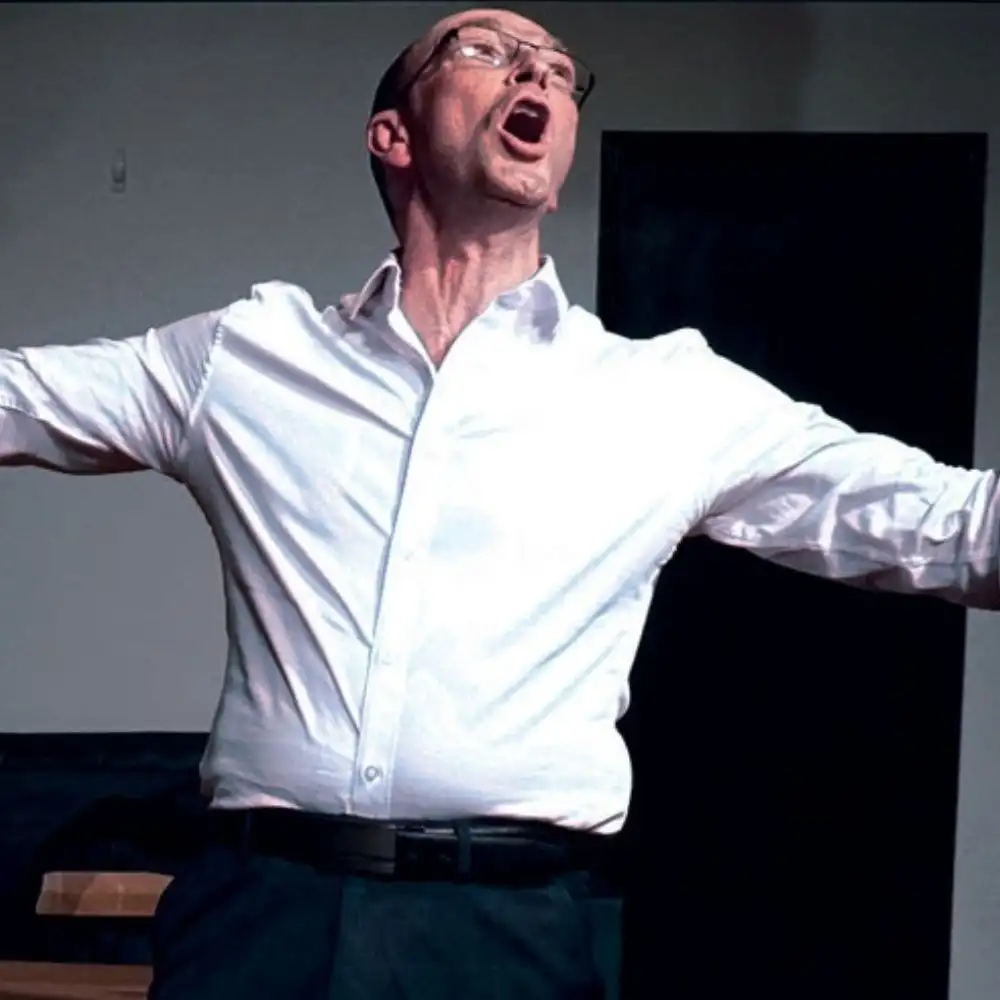
Our voice classes help you to work your own innate sense of play to develop and explore a rich and resonant voice.
We work on releasing your body, voice and imagination to develop the most effective creative habits. Courses are available for beginner, intermediate and advanced students.
Developing confident, expressive performers for over two decades
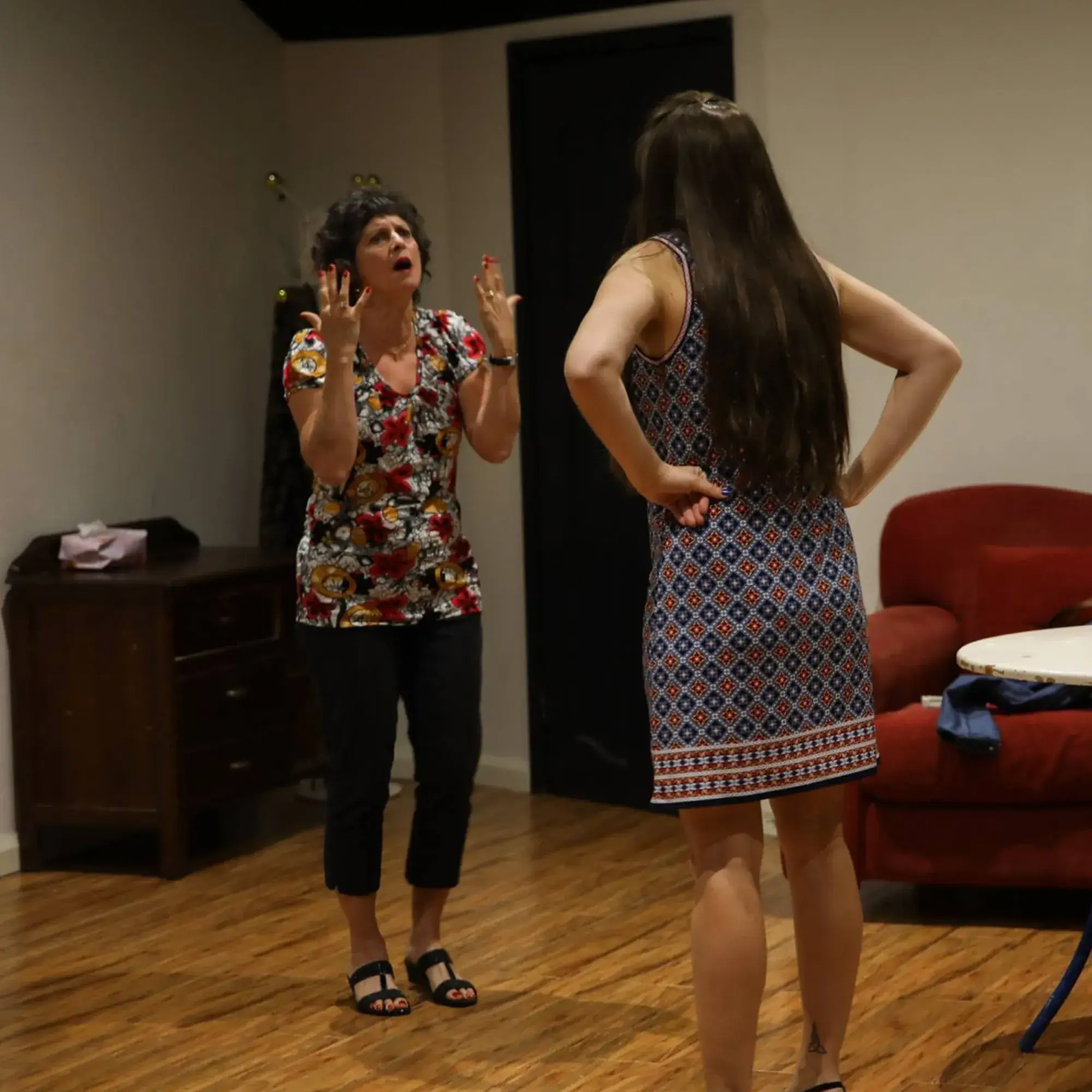
For over two decades, The Actors Pulse has helped performers develop confidence that comes from skill, not performance bravado.
Our Voice & Dialect classes are designed for actors who want to feel more grounded, heard and expressive, whether you’re stepping into training for the first time or returning after years away. Rather than teaching actors to “sound confident,” we focus on removing the physical and habitual blocks that stop the voice from being free in the first place.
As the voice becomes more available, presence naturally follows. Actors learn to speak with clarity, ease and intention, without forcing volume, masking nerves or relying on external tricks.
Why technique matters when confidence is the goal
Our Voice & Dialect training is informed by the Meisner Technique, which places responsiveness and connection at the centre of performance. This means the voice is trained as a living, reactive instrument, not something controlled or “put on.”
For many actors, this work is transformative. Tension softens. Self-consciousness reduces. Speech becomes clearer and more direct because it’s connected to genuine intention rather than effort. The result is a voice that feels trustworthy to both the actor and the audience.
This Class Allows You To:

Price Per Term
Class Duration & Schedule:
Why ongoing voice training makes a difference
While short workshops can introduce ideas, they rarely give actors enough time to notice patterns, interrupt old habits and replace them with healthier ones. Our Voice & Dialect classes are designed to support gradual integration, allowing confidence to build through repetition, feedback and application.
This approach suits actors who want their voice to feel reliable, in auditions, rehearsals, performance settings and everyday communication, not just “good” in a single class.
Over time, actors develop stronger awareness, greater vocal range and a sense of ease that carries beyond the studio.
What Kind Of Classes Are You Looking For?


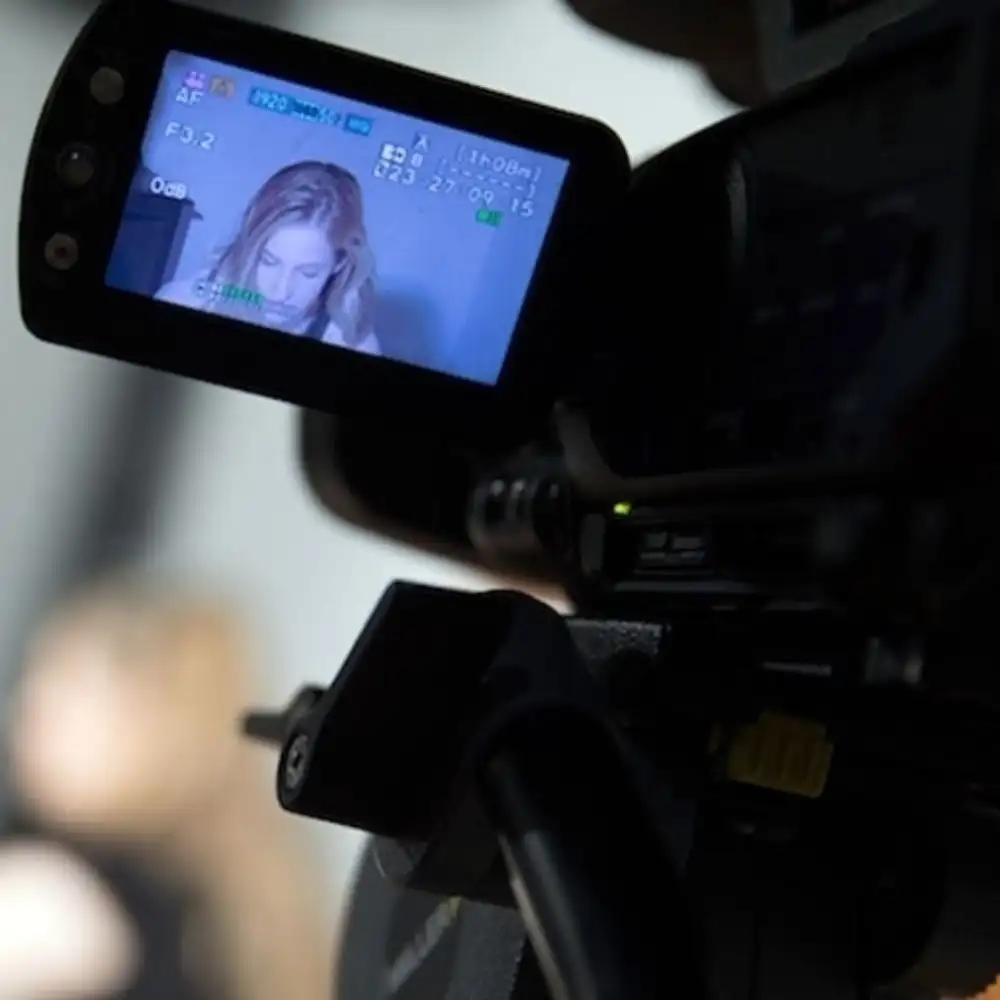
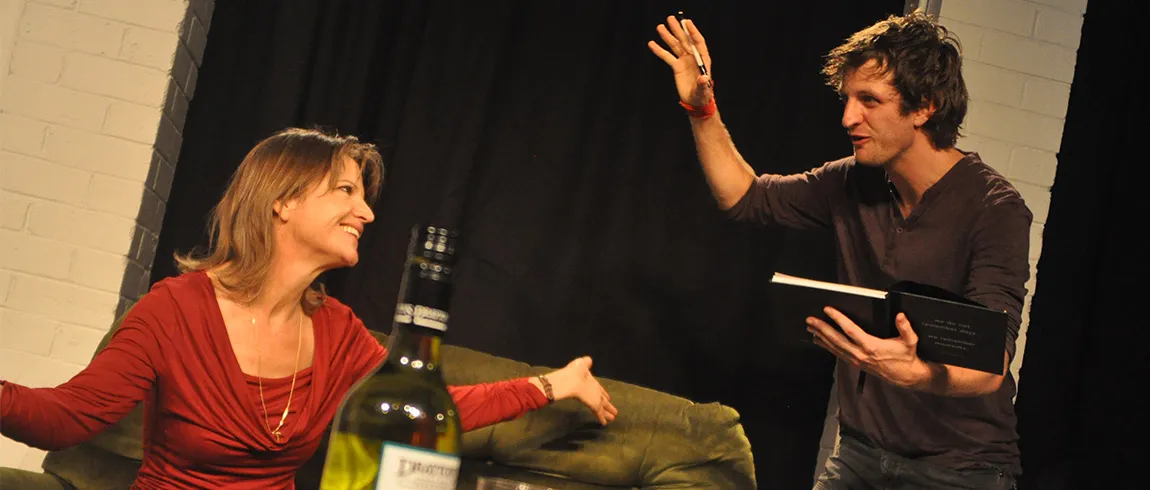
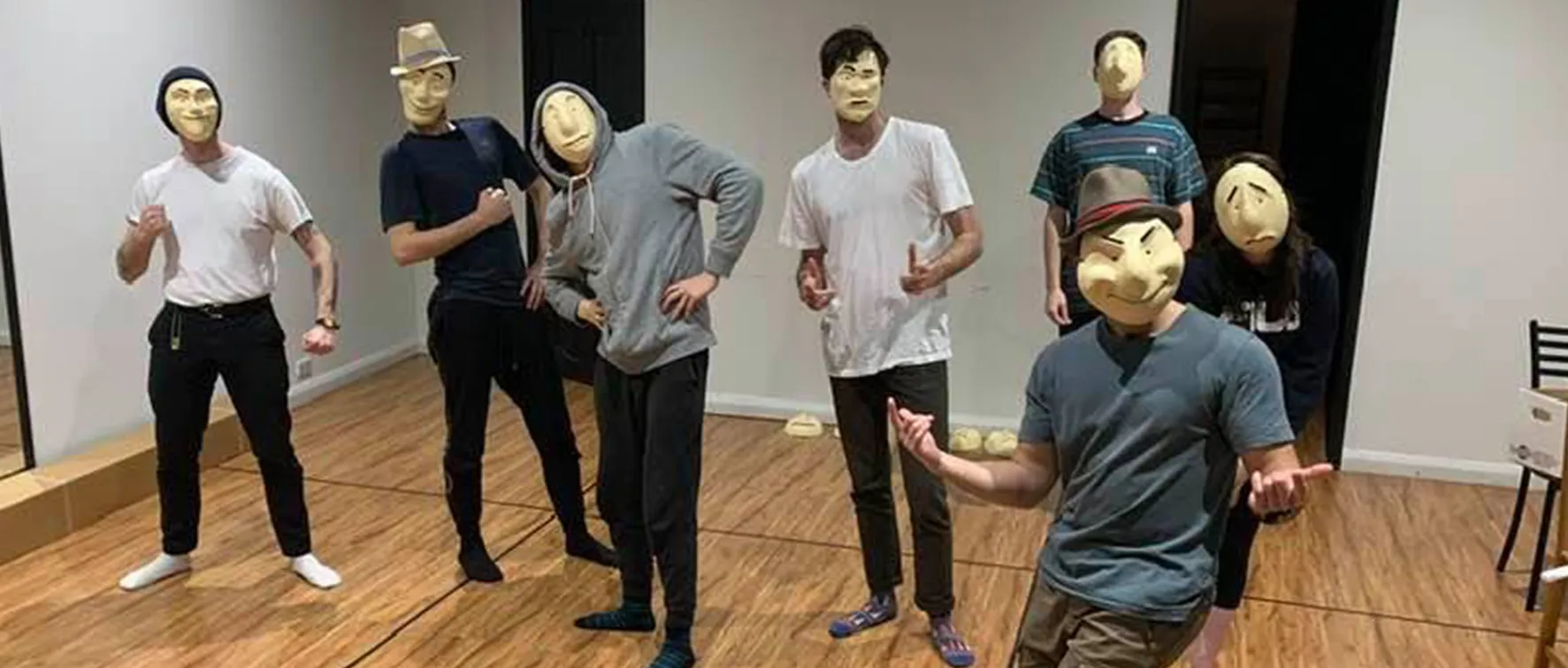

Live & Interactive Online Acting Classes
Join our real-time classes from anywhere. Same Meisner-trained tutors, live feedback, full curriculum.
Reviews

Google Reviews
4.8 / 5 from 208+ verified reviews
Frequently Asked Questions
How does the Voice & Dialect course help actors improve their on-screen and stage performances?
The Voice & Dialect course gives actors tools to use their voice precisely, flexibly and authentically across different performance settings. You’ll learn how to project and articulate on stage without strain and modulate tone, texture and clarity for closeups on screen.
Strengthening breath control, resonance and vocal agility allows your speech to carry emotional subtext and suit character choices. The course also helps you avoid habitual vocal tension or flatness, so your voice becomes a responsive, expressive instrument in service of truth.
Do students learn specific accents or dialects during the course?
Yes. Students explore a selection of practical accents and dialects relevant to performance work (for example, standard American, British RP or other common regional accents).
The aim is not to master every dialect but to develop awareness of phonetic patterns, rhythms, vowel and consonant shifts and to acquire tools for adapting accent work when scripts or auditions demand it. By working with accents in a focused way, actors expand their versatility and credibility in diverse roles.
What types of exercises are used to help students free and strengthen their voice?
The class uses a mix of breathing and vocal warmups, resonance work, articulation drills, tongue twisters, vowel and consonant shaping, voice projection tasks and pitch variation exercises.
You’ll also do text and monologue work, layering dialect shifts or character voice demands. Phonetic transcription, listening exercises and comparative recording help you self-monitor your progress. These techniques gradually build freedom, strength, flexibility and clarity in your voice.
Is the Voice & Dialect training suitable for non-actors or public speakers who want to improve their voice?
Absolutely. While tailored for actors, this course is valuable for anyone who uses their voice in performance, public speaking, presentations, teaching or broadcasting. The same tools that help actors speak with clarity, confidence and authenticity are useful in many professional and personal contexts. Non-actors will benefit from improved vocal control, accent awareness, stronger projection, tonal variety and habitual vocal ease.
How does this course complement other acting training, like Meisner or Screen Acting?
Voice & Dialect training is a powerful companion to Meisner and Screen Acting because it brings sensitivity and control to your verbal expression. In Meisner work, where truth and listening are essential, a free and responsive voice lets you respond spontaneously and precisely.
In Screen Acting, your vocal choices must suit smaller microphones and subtle emotion on camera – strong dialect and voice work help you land character choices without overacting. Many students take Voice & Dialect alongside their regular acting classes to create a more complete, layered craft that unites inner life, physicality and vocal presence.
When, and how long is enrolment?
Enrolment is on a term by term basis, terms are 8 weeks long and there are 4 terms per year.
Do I need qualifications for this?
No prior qualifications are needed!
Where are classes located?
Classes are held on-site in our Playhouse Theatre at 103 Regent St Redfern.
Will this course help if I feel nervous or self-conscious when speaking?
Yes. Many students enrol in our Voice & Dialect training because nerves, tension or self-consciousness affect how they speak. The course focuses on releasing physical and habitual blocks that restrict the voice, rather than pushing confidence from the outside. As tension reduces, students often experience greater ease, clarity and presence when speaking.
Is this course suitable for beginners with little or no voice training?
Absolutely. Our Voice & Dialect course is suitable for beginners, as well as more experienced actors. Training is structured and supportive, allowing students to work at their own pace while building awareness, technique and confidence over time. No prior voice training is required.

Contact Us
Get in touch with us using the form or details below. We look forward to hearing from you!


Let’s Talk About Your Goals
Our free consultation gives you the chance to talk through what you’re experiencing, whether that’s nerves when speaking, feeling disconnected from your voice or wanting to show up with more authority and ease. We’ll explain how the classes are structured and what the work actually looks like in practice.
From there, we can help you decide whether Voice & Dialect training is the right next step or guide you toward another pathway that better supports where you are right now.