


Frequently Asked Questions
I've never acted before – will I feel out of place?
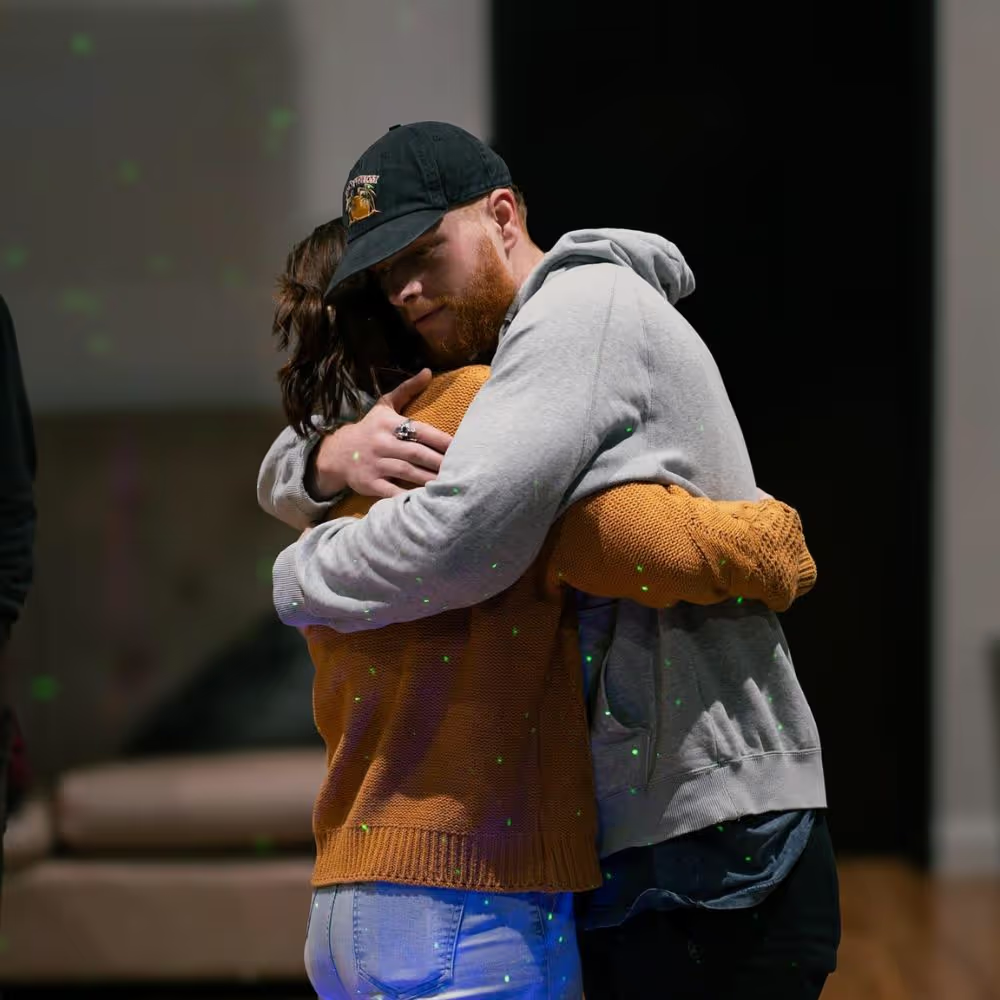
Our classes are designed for every experience level, and are perfect for beginners who have never experienced an acting class before. We provide a supportive, inclusive environment that starts everyone with the same foundational principles. The Meisner Technique is focused on creating authentic human connections, which everyone can relate to.
Our experienced tutors are adept at guiding students through the first steps and will ensure you feel as confident and comfortable as you train alongside people of all experience levels. We intentionally foster a collaborative atmosphere, enabling everyone to grow together.
I'm nervous about performing – is acting training still right for me?
Nerves are a natural part of the creative process, and one of the best ways to manage your nerves is through acting training with The Actors Pulse. Our curriculum is rooted in the Meisner Technique, which encourages you to focus on your scene partner and can distract from any self-consciousness you might feel. It's the perfect way to get out of your head and get into the experience. We create safe, supportive spaces so our students can build self-confidence at their own pace while training, and many of our students have found that these skills follow them in their daily lives.
Can acting classes help build confidence beyond acting?
Yes! Our acting classes are crafted to nurture transformative skills that apply beyond the screen or stage. Using the foundations of the Meisner Technique, our courses teach students how to actively listen and instinctively respond to sharpen everyday communication skills. With training, you can build self-confidence and present yourself with a more confident grounding, whether it's socially, professionally, or in an audition.
Acting classes are empowering, allow you to speak clearly, and own your space, which is an invaluable personal development tool that can benefit you in every area of your life.
Is acting training suitable for introverts?
It is! The Actors Pulse's acting courses are suited for extroverts and introverts alike. We provide a structured environment where students can explore expression, and the Meisner Technique is ideal for that. It focuses on external observations rather than internal work. The spotlight isn't on you because your mind is focused on your scene partner and their behaviour.
We have had many introverts walk through our doors, and they find acting a liberating way to channel their stories and emotions, which can build social confidence. The truth about great acting is it's authentic, not loud.
Do you welcome students from diverse or non-traditional backgrounds?
The stories we see on television, screen, and stage are diverse, and the actors who bring those stories to life should be as well. It's the heartbeat of authentic storytelling, and The Actors Pulse welcomes students from all backgrounds. Everyone brings a unique life experience to the table, and our craft can only grow stronger when we share those stories.
Our foundational training atmosphere is built on inclusivity and respect because we want every voice to be heard and for every student to know they're valued.
Is English fluency required?
At The Actors Pulse, we welcome students from all walks of life and backgrounds. However, we do require a functional grasp of the English language to ensure students get the most from our training courses. As the Meisner Technique relies on repetition, nuance, and live interactions, understanding your scene partner is key as you bounce off of each other.
Acting courses are an excellent way to improve your language skills and increase your confidence, whether you want to practice different accents, inject more colloquialisms into your vocabulary, or increase your language confidence.
How to choose the right acting course for your goals
The right training is key to career success, but with so many acting courses available, it might be difficult to decide on the right fit. First, understand the type of career you plan to pursue, whether it's theatre, television, or film. Or, if you want to focus on a specific skill, such as screen acting or improvisation. Identifying your preferences will help you choose courses that align with your goals. Part-time and short courses are perfect if you're just starting and need flexibility, while full-time courses are ideally suited to immersing yourself in the acting craft if you plan to compete in Sydney or Los Angeles.
Do I need prior experience to start acting classes?
Whether you're thinking about part-time or full-time, you don't need prior experience to start acting classes. We do ask applicants to complete a practical test or audition, but this is to get a baseline of your acting skills to ensure you're in the right classes. You should think about what you want to get out of taking acting classes, what type of training you're interested in, and your personal and career goals. Beginner classes are suitable for those just getting started, no matter your age, because foundational skills are the key to long-term success.
Do some research ahead of your entry audition. In addition to brushing up on your acting skills, follow acting tutors, casting directors, and production companies to gain insights, gather tips, and learn about the industry. It's worth looking into the acting school's influential individuals, as most are working with limited positions and want to enrol passionate individuals, regardless of skill.
What is a self-tape, and why is it important?
A digital audition and self-tapes have become an increasingly popular method for television, film, and theatre. These are filmed in the comfort of your own home instead of auditioning in person, and can be recorded using a phone or camera. They rose to popularity during the COVID-19 pandemic and have been the industry standard since, due to the global potential it brings.
Many actors find this process challenging, but The Actors Pulse can guide you through the step-by-step actions necessary to nail the audition while securing high-quality sound and film. As the actor, you have creative control over the process to ensure your self-tape is your best work.
What to expect in your first acting class
Despite the nerves, the first acting class comes with a lot of excitement. It's the first day of what might be a long, prosperous career, and you should be prepared for what's to come. How long is your class? That depends on whether you're full-time or part-time. Part-time students take the same number of classes, but do so over a longer period. In general, classes last for three hours to ensure every student has the opportunity to perform and receive feedback. Our classes are generally limited to 20 students. Every class is different, and you may get homework.
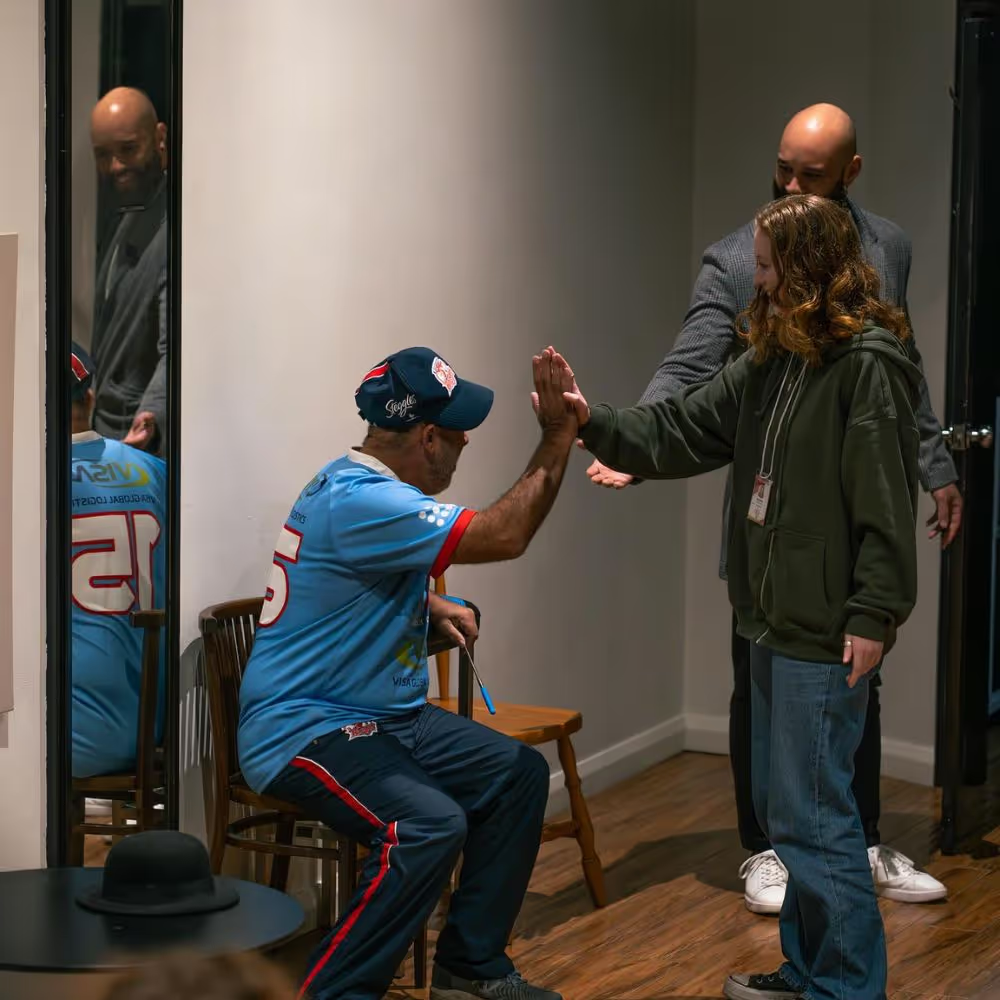
The first class begins with introductions, followed by warm-up exercises to loosen everyone up and set the tone for the rest of the class. Warm-up exercises include vocal warm-ups, stretching, and breathwork to get you thinking on your feet. Following the warm-up, the class will prepare and perform scenes and gain tutor feedback.
Behind the scenes: what a day in an acting class looks like
Arrive early so you have time to warm up, review notes, or read scripts before class. Class starts with warm-up exercises to prepare you mentally and physically, and we practise the Meisner Technique daily to ensure you hone your listening and reaction skills. A big part of the day is scene work and character development, with tasks assigned depending on skill level. You can look forward to regular feedback and encouragement.
Our film and television students learn the art of screen acting with on-camera training. We also touch on industry insights and audition preparation to ensure you understand the business side of the industry. We cover everything from industry etiquette to self-tape tips, holding mock auditions to provide practise in real-world conditions. We wrap up with a spot of reflection, goal-setting, and rehearsal with your classmates. We offer a blend of performance development, industry preparation, and technical training, so no two days are ever the same.
Common challenges beginners face in acting classes – and how we support you
You will face a multitude of challenges throughout your acting career, but those you may face as a beginner are much different from the ones that come later. In the early stages of your journey, you may experience memory challenges as you learn lines. In addition to line learning, you also need to remember the feedback about your performance and accurately display emotions.
On the memory front, your tutors at The Actors Pulse will help you overcome memory challenges by breaking down deadlines to improve your time management and planning. We also help you break down scenes and characters to understand intention, motivation, and underlying emotions. Fear is another major challenge beginners face because performing can make you feel vulnerable. The key to overcoming fear is practise. The more you perform, the easier it becomes and the safer you feel bearing your creative soul.
What actually happens in a typical acting class?
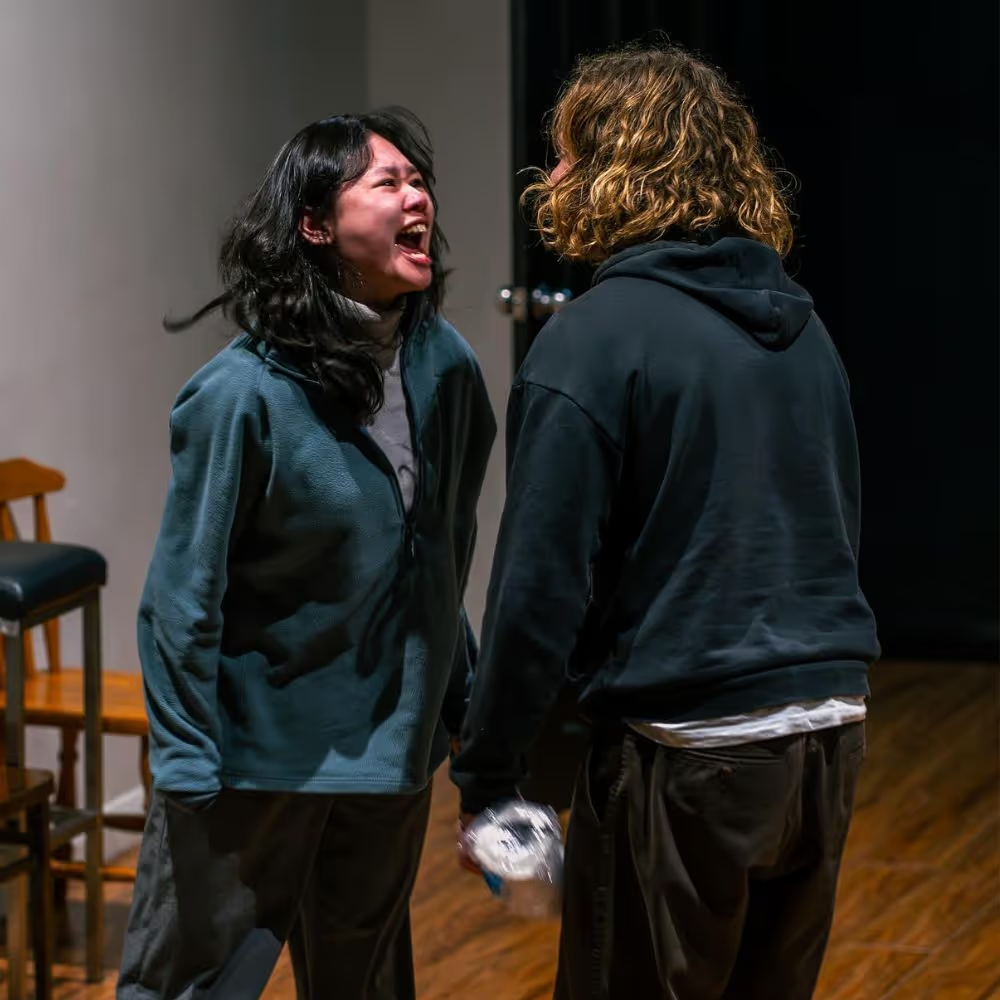
We open with repetition exercises to warm up, preparing students for authentic and instinctual reactions. From these foundational drills, we transition to active work where students break off into pairs to break down scenes, with instructors who guide you through the process of shifting your focus onto your scene partner. Our acting classes alternate between on-camera exercises and physical stage blocking to ensure you learn how to adapt your performance appropriately. The key is practical repetition rather than lecturing.
Will I perform on camera, stage, or both?
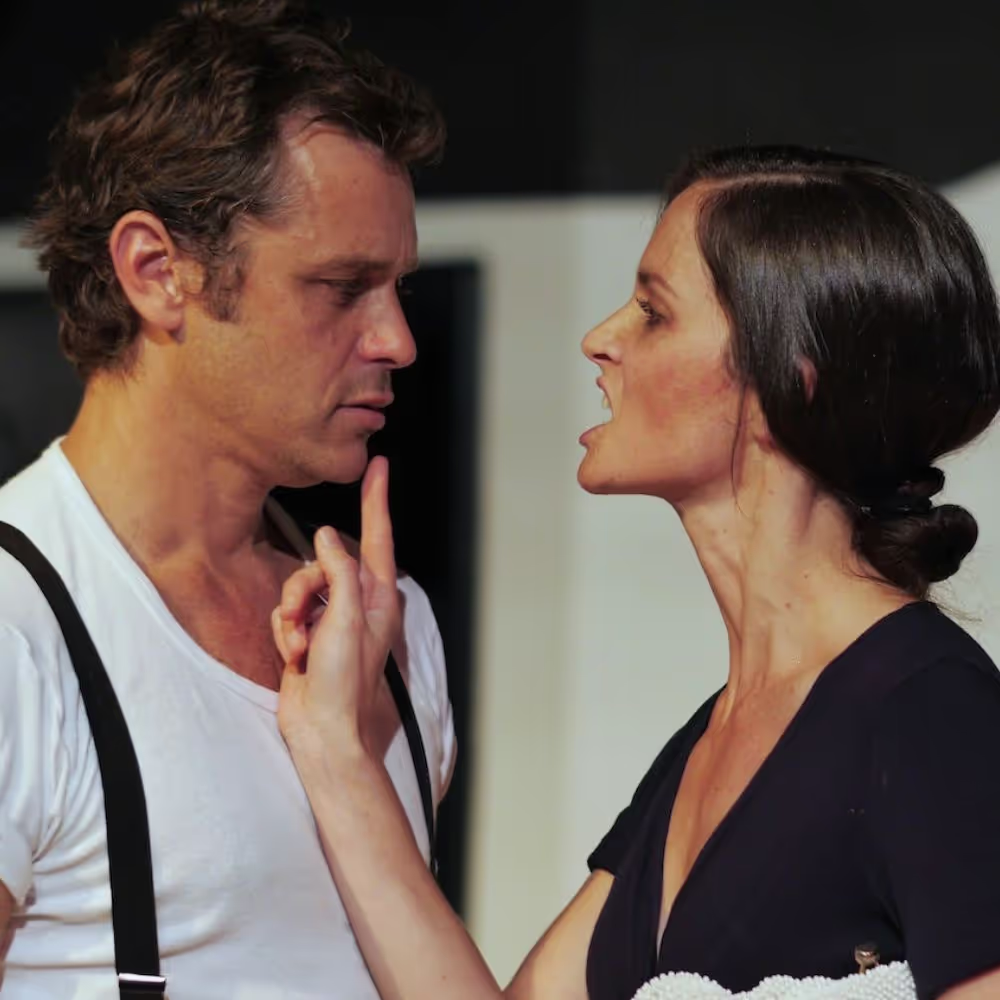
You will actively train for both. Some classes focus on each, but the Meisner Technique modules are about vocal projection, authenticity, and live presence. Screen acting classes cover the technical constraints of both television and film, and you will also learn self-tape techniques and how to work with lens frames and continuity. It's this dual approach that ensures a seamless acting style, whether you're in front of a live theatre audience or performing an intimate close-up on camera.
How hands-on are the classes?
Training relies on active participation; it's an entirely experiential experience. You won't be sitting back and listening to lectures, nor will you be analysing the text beyond learning its meaning for an authentic performance. You will be up on your feet testing scenes, performing exercises, and in front of or behind the camera from the very first week you join. The Meisner Technique hinges entirely on emotional and physical engagement, and that comes with hands-on learning.
How much individual feedback will I receive?
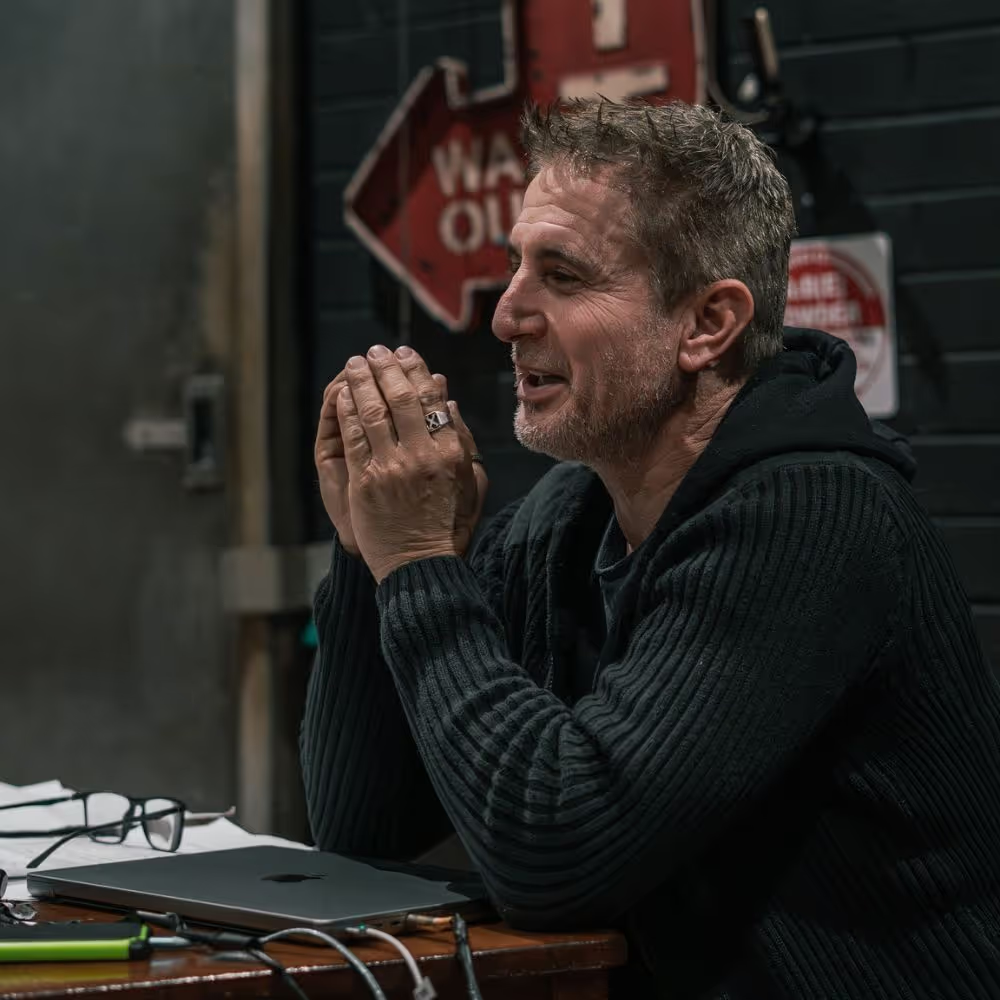
The feedback at Actors Pulse is immediate, regular, and highly personalised. You will receive feedback in every session, and our classes are intentionally small to allow instructors the space to observe your habits and breakthroughs. After every scene run or exercise, you will receive personalised guidance to help you identify inauthenticity and strip it out of your performance. We don't offer generic praise; we provide precise critiques to nurture your growth as an authentic artist.
Are online acting classes a regular option at The Actors Pulse?
Online classes are a consistent fixture at The Actors Pulse, providing accessible acting courses for students throughout Australia and around the world. Acting is a global industry, and the Actors Pulse delivers high-quality training that is no longer limited to geography, whether you want to focus on the Meisner Technique or brush up on some improv skills.
This isn't a temporary alternative. The Actors Pulse online classes are structured to mirror the collaboration of in-person work and the intensity that comes with it. You can enrol in an online acting class wherever you may be, providing total flexibility for working actors who have professional commitments to balance.
Can I do both online and onsite acting classes?
Absolutely! If you're a Sydney local, you can maximise your learning experience by taking both online and onsite courses. We understand that many actors are working, either in the industry or supplementing their income elsewhere, so we provide flexibility to ensure you have the time to complete your training.
For students outside of Sydney or in other countries, the online courses are the perfect solution, guaranteeing you world-class training with no need to travel.
Are online classes different to the onsite classes?
No, they use the same curriculum and content as our onsite classes, but they are restructured for online courses. We utilise the same core content to ensure every student who joins The Actors Pulse receives the same high-quality acting education. The added benefit of online learning is that students learn to adapt their performance for the learning medium, nurturing new skills that will pay dividends throughout their careers.
Can online students transition into in-studio classes?
We're committed to providing stellar training, which means offering flexible and accessible classes for every student. Many of our online students later transition to studio classes, so we make the switch simple. If you want to make the change, all you need to do is ask! Our in-studio classes offer an immersive, hands-on experience to evolve the skills you've been developing through our online classes.
You can connect with your fellow actors in person and practise live scene work to improve your performances. In-person classes immerse you in a studio environment where you can work on your physical presence, observing body language, movement, and spatial awareness. The team will be happy to help you find the right in-person class schedule to continue your training. We also have a hybrid option if you want to continue with some online classes and others in person.
Balancing acting training with work or study
Through hard work, an acting career can be exciting if you learn to balance your training alongside other commitments. In addition to our full-time courses, we also provide part-time options so you can schedule your training around your work or school schedule. The key is carefully planning your schedule, prioritising urgent and important tasks, selecting the right program, and honest communication with your school or employer. You may be able to secure a flexible arrangement while you pursue multiple paths.
Consistency is key in every realm, as you don't want to fall behind in any area of your life. Develop a strong, structured routine to ensure that acting classes and rehearsal naturally fit into your schedule with work shifts or school classes. Be sure to use your free time wisely! Look after your basic needs because juggling multiple commitments can be exhausting.
Can I start part-time and transition to full-time acting training?
Absolutely, but there are some differences you should understand before you take the plunge. The biggest difference is workload. Full-time students have more classes, and that can be difficult to balance if you have other commitments. However, if you're serious about acting as a career, you will complete the course more quickly if you take classes full-time.
The full-time course is divided into four core subjects: performance technique, acting technique, character technique and scene study. In addition, there are four Meisner Technique classes every week where you learn stage performance technique, stage character, acting technique and scene study. The full-time course also includes twice-weekly screen acting classes, covering audition techniques, screen performance techniques, scene study film and TV, and character film and TV. The workload doesn't end there; there's also a voice and movement class and workshops that touch on the business of acting. Full-time requires total dedication. If you have begun with part-time classes and want to transition to full-time study, it's a good idea to reach out and explain your situation and we can discuss what will work best.
Can acting training fit around a full-time job or university schedule?
Absolutely. We have designed our curriculum to work around even the busiest lifestyles. Our part-time program delivers highly flexible options in terms of scheduling, with dedicated weekend blocks, online classes, and evening options. You can continue your day job or meet university commitments while attending professional-level acting training. You can adjust your timetable and class intensity to match your availability for our nine-week terms, increasing or decreasing your commitment if your personal circumstances change.
How much practice is expected outside of class?
Independent study is important to your growth as an actor because authentic acting depends on muscle memory. It's up to you how much time you put in outside of class, but you should try to practice for at least three hours independently, whether you're analysing scripts, researching your character, observing human behaviour, or rehearsing lines. Acting classes are about execution, feedback, and adjustment, but your preparation away from acting classes will set the scene for progress.
Is memorisation a big part of training?
No, it isn't. While memorisation is a part of acting, it's a secondary tool in our acting classes because learning lines is a mechanical, emotionless process in the Meisner Technique. You memorise lines and scripts as you practice, and the words become second nature so that you aren't constantly thinking about your next line. Instead, your mind is free to tap into your scene partner's performance. It's more freeing and ensures more authentic performances.
What should I wear to acting classes?
Comfort is key. You should dress in clothes you find comfortable, but don't forget mobility. There is a lot of physical movement in classes, so you should avoid restrictive clothing or jewellery that may limit your physical movement. Runners, trackies, and a t-shirt or jumper are the ideal choice for engaging in dramatic movements and the physical character work we do in our acting classes, as long as you have an uninhibited range of motion.
How acting skills progress from beginner foundations to professional readiness
If you're passionate about your art, pursuing a career in acting is as easy as breathing. That doesn't guarantee success, however, and making the jump from beginner to professional takes great training, skill development, and commitment. At The Actors Pulse, we establish your foundational skills at the beginner level, providing the building blocks that lead to advanced-level classes. The Meisner Technique facilitates authentic scene connections and helps build confidence as you explore and break inhibitions.
As you transition into the intermediate classes, you will develop your technique, focusing on improvisation, character work, and scene study. It's the development and refinement stage before you enter the advanced level to master your performance. In addition to these comprehensive classes, we also assist with industry preparation, professional development, resumes, showreels, headshots, and self-promotion. With access to real-world experience and regular feedback, we equip you with the tools necessary to grow and succeed.
How acting training prepares you for auditions
Finding paid jobs is the goal many of our students pursue after acting classes, and our courses prepare you for auditions. It doesn't matter how passionate you are; you need foundational skills to back it up. Commitment and experience are important, but so is knowing people, and acting classes can connect you with many industry professionals. An agent is also key to finding auditions and negotiating contracts, and can provide general guidance as you learn to navigate the industry waters. Most agents won't entertain someone without either acting classes or experience on their resume.
At The Actors Pulse, we equip you with a range of foundational skills in acting and the business aspect of the industry. We advise on headshots and can help you craft your resume to ensure you get into the audition room to showcase your performance skills.
When should students begin auditioning?
As soon as your acting work is instinctive and you handle lines without overthinking, you should start auditioning. Typically, we encourage beginners to complete two terms in our foundational Meisner Technique classes to ensure confidence. By jumping into the audition process too early, you can build bad habits and create anxiety around the process. Waiting too long can also lead to its own problems, with perfectionism taking hold. Our instructors will guide the process and encourage you in the right direction.
Do I need an agent before starting acting training?
No, there is no need to find representation before your training begins. Most of the reputable talent agents in the industry will not sign an untrained actor; they're looking for proof of commitment and dramatic technique. Your primary focus should be skill-building, script-learning, and understanding how to work on stage or on camera. The Actors Pulse holds industry showcases and performance evenings where agents can see our students in action. Training equips you with the confidence and skills to attract the right agent.
What types of acting careers exist beyond film and TV?
Acting doesn't begin and end with the television and film industry. Acting skills can open the door to a career in commercials, animation, voiceover work, live theatre, and video game motion-capture performances. Many actors also find success in immersive theatre, presenting, simulated medical training, and corporate role-playing. Acting classes equip you with stellar communication skills, enhanced emotional intelligence, and the confidence you need to succeed in any role you pursue, from public speaking to creative directing.





Start today!






Reviews

Google Reviews
4.8 / 5 from 208+ verified reviews


Contact Us
Get in touch with us using the form or details below. We look forward to hearing from you!


