



How to Avoid Overacting on Camera
Stand Out




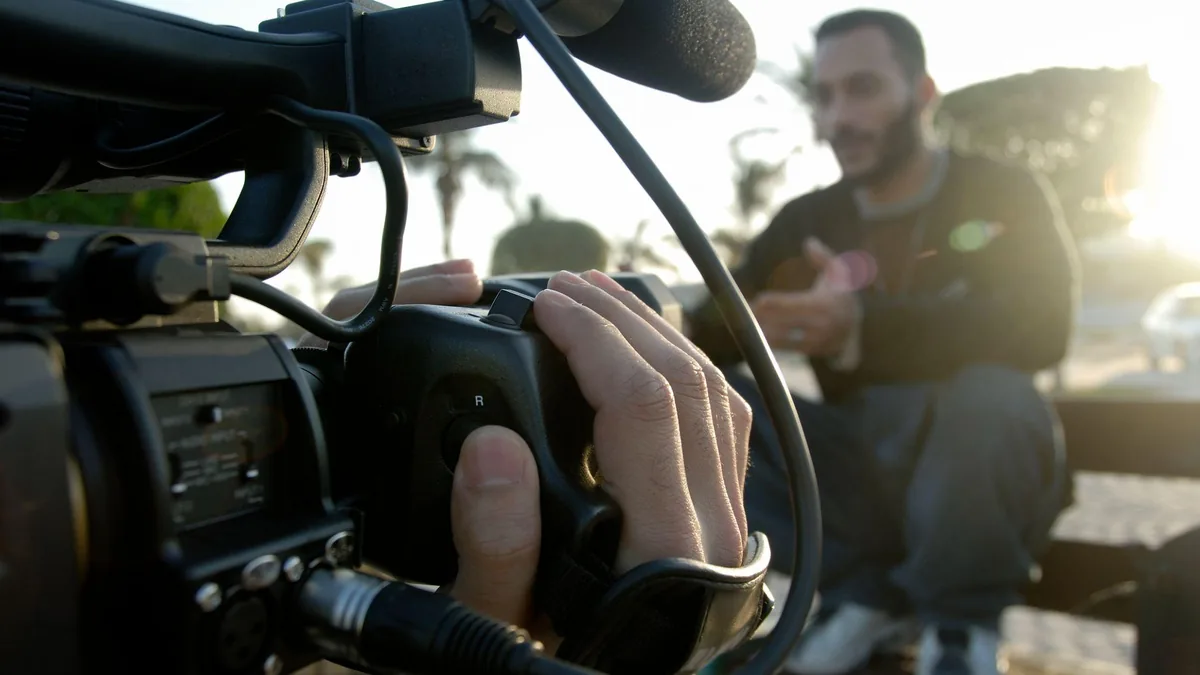
There is a particular frustration that can come with watching back a performance that felt completely truthful in the moment, only to discover that it looks too big on screen. The intention was genuine. The choices made sense. Yet what felt natural in the scene reads as exaggerated through the lens.
Overacting on camera isn't always a sign that an actor lacks skill. In fact, experienced actors can fall into the trap precisely because they're working hard to create a strong, compelling performance.
The challenge with screen acting is learning when to stop showing the audience what your character is experiencing and trust that the camera will see it.
What Does Overacting Look Like on Camera?
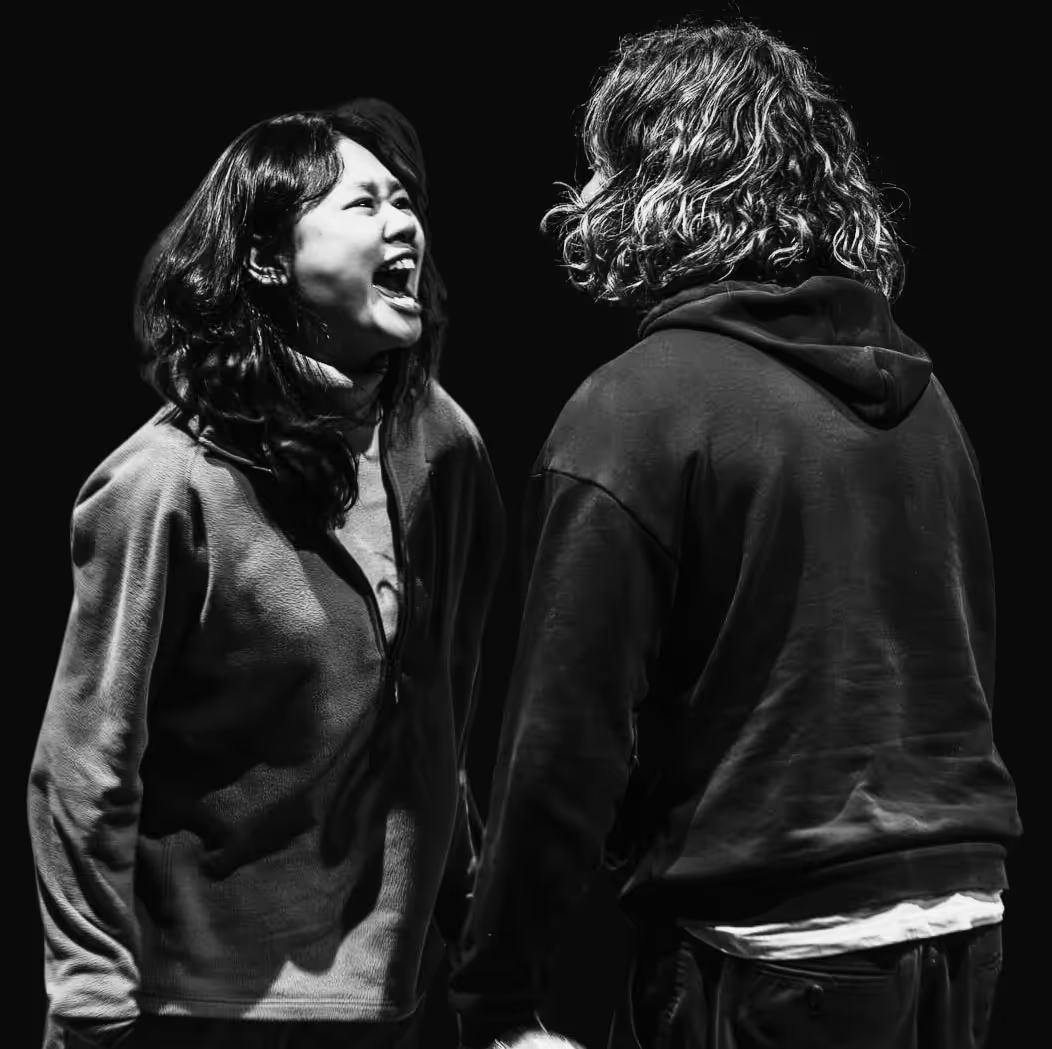
Overacting isn't simply being loud, emotional or physically expressive. A character can scream, sob or explode with anger without the performance becoming excessive if the moment genuinely calls for it.
The problem arises when an actor adds extra emphasis, expression or movement in an attempt to strengthen a moment that doesn't need it.
On camera, this might look like:
- Emphasising words to reinforce their meaning
- Adding an extra facial reaction to an emotional moment
- Pushing an emotional response further than it naturally goes
- Reacting before you've fully received something from your scene partner
- Adding gestures or movement that aren't motivated by the moment
- Heightening a choice to make the scene feel more dramatic
In a close-up, the lens can capture subtle changes in your gaze, expression and focus that already communicate what's happening internally. If the thought and emotion are there, resist the urge to add another layer just to make sure they come across.
Why Experienced Actors Can Still Overact
The more familiar you become with a scene, the easier it is to anticipate what's coming. You know which lines affect your character, where the tension shifts and which choices worked well in previous takes. The risk is that you begin recreating those moments rather than allowing them to happen again.
A pause that originally came naturally becomes deliberate, or a reaction arrives because you know this is where it happened before. The performance may still look polished, but some of its spontaneity is lost. Avoiding overacting can mean relinquishing enough control to let the scene affect you differently each time, something that sits at the heart of Meisner's moment-to-moment approach.
How to Refine Your Performance for the Camera
Stop Trying to Perform the Emotion
One of the quickest ways to make an emotional scene feel performed is to focus on producing a particular emotion. If you've decided your character is distressed, for example, you may start adding weight to certain lines, altering your expression or pushing reactions to reinforce that feeling. But your character isn't thinking about how distressed they appear. They're responding to what's happening to them.
Instead, return to the circumstances of the scene. What do you want from the other person? What are they doing to you? How does what they've just said affect you? When your attention stays with what's happening, the emotional response can emerge naturally without adding more to make the moment land.
Put Your Attention Back on Your Scene Partner
This is also where Meisner-based training can be particularly valuable for screen actors. The technique emphasises truthful, moment-to-moment behaviour and genuine responsiveness, shifting your attention away from monitoring your own performance and back to what is actually happening between you and your scene partner.
When part of your attention is caught up in questions like:
- Was that reaction strong enough?
- Should I pause here?
- How should I react to this line?
you're no longer fully engaged with the person opposite you. Instead, allow yourself to receive what your scene partner is actually giving you and respond from there.
On camera, that shift can make a significant difference. Genuine listening creates small, spontaneous changes in thought, expression and behaviour that register naturally on camera.
Don't Confuse Screen Acting With "Doing Less"
Actors are often told that screen acting needs to be smaller than stage acting. While performance scale matters, simply reducing everything isn't the answer. Trying too hard to appear "natural" can become its own form of performance if you start suppressing gestures, expressions or vocal choices because you're worried about appearing theatrical.
Sometimes truthful behaviour is big. The circumstances may call for shouting, crying, laughter or explosive movement, and holding those impulses back can feel just as artificial as forcing them. What matters isn't simply the size of the behaviour, but whether it genuinely comes from the scene.
Use Playback to Identify Your Habits
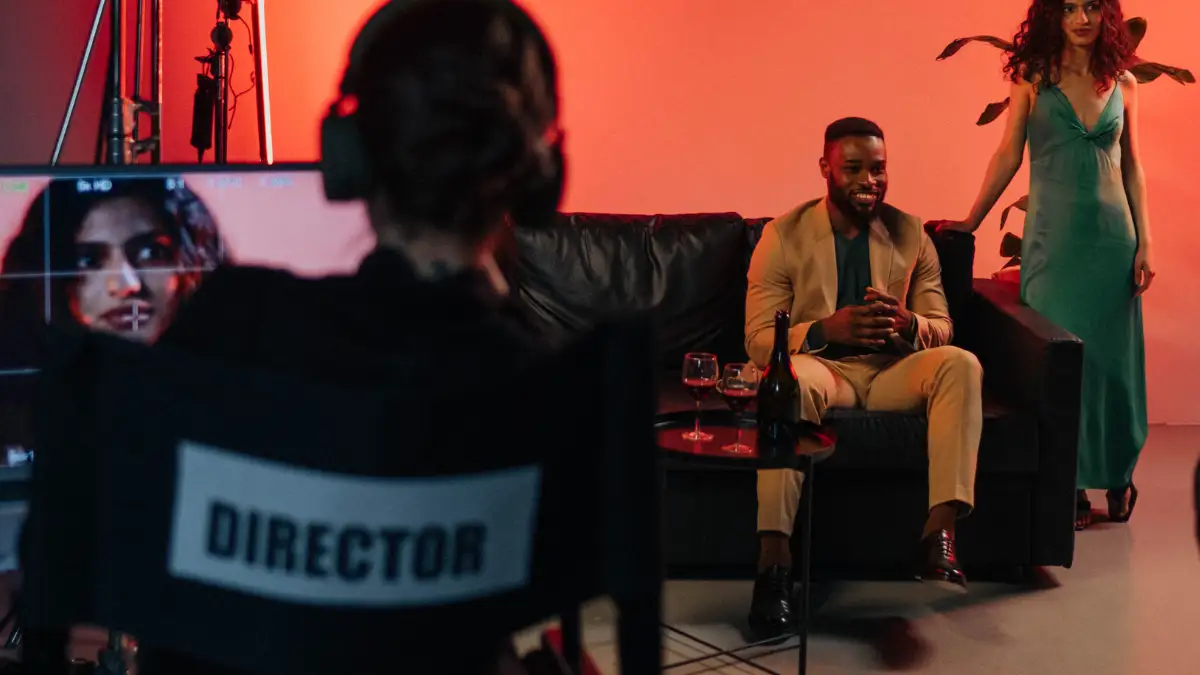
Watching yourself back isn't always the most comfortable part of screen training, but it's worth embracing the cringe. Playback gives you the rare opportunity to see exactly what the camera sees and spot habits that are difficult to recognise while you're in the scene. Rather than getting caught up in whether you "liked" a take, try to watch it with a more analytical eye.
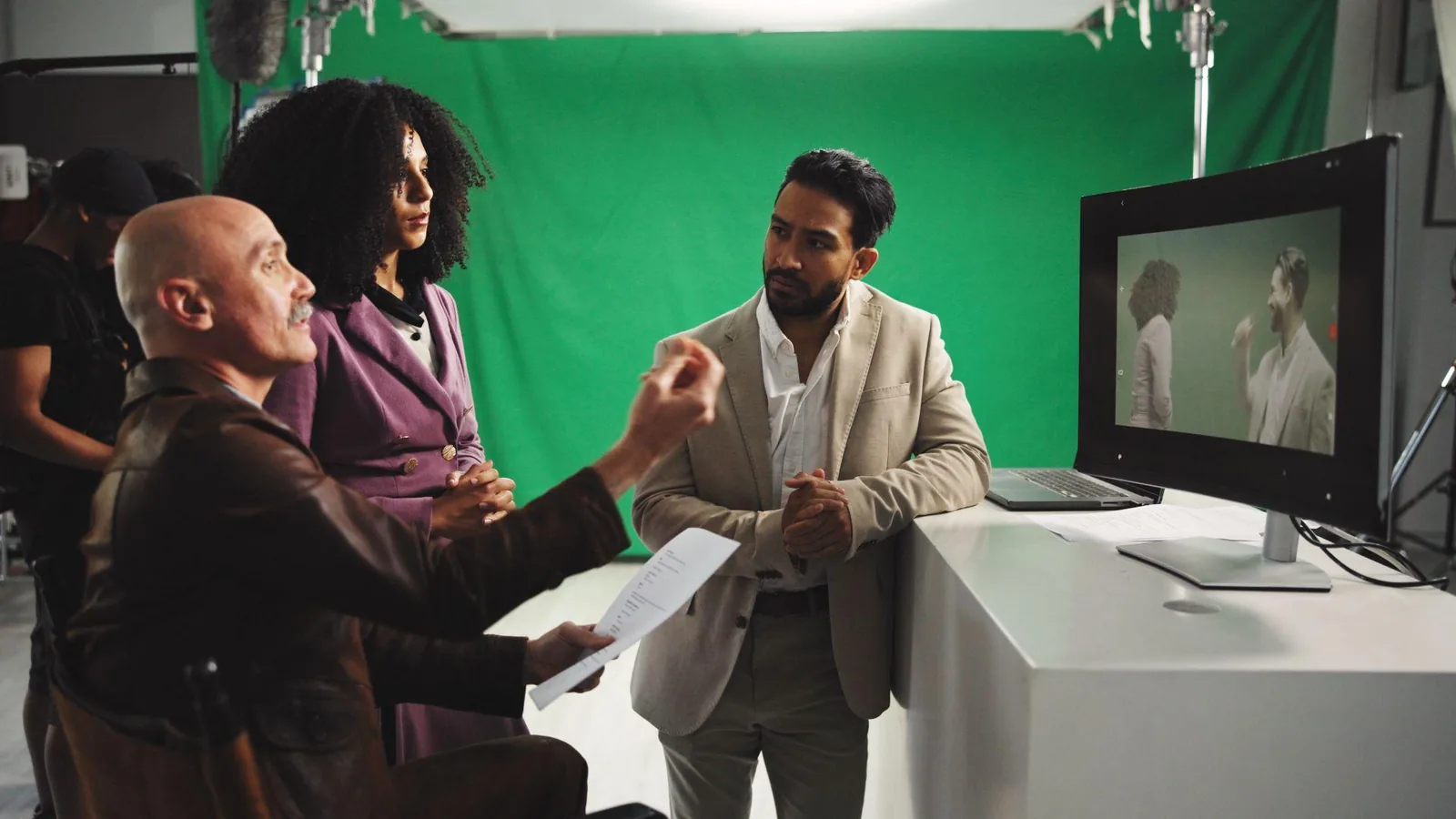
Look for patterns such as:
- Anticipating your scene partner or reacting before you've fully received what they've said
- Relying on the same facial expressions at particular emotional moments
- Adding gestures that aren't naturally motivated by the scene
- Placing extra emphasis on certain words or reactions
- Appearing more focused on the performance than the person opposite you
Pay attention to the moments when you appear most relaxed and connected, too. Often, these are the moments when you're doing the least conscious acting because your attention is on the scene rather than your performance.
Learn How to Let the Moment Do the Work
Some of the strongest screen performances happen when you stop trying to make every moment register. Trust the work you've done, stay connected to what's happening in front of you and trust that the camera will find you.
This is where the Meisner Technique can become such a powerful tool for screen actors. By training you to place your attention on your scene partner, respond truthfully and work moment to moment, Meisner helps take the focus off performing and puts it back on genuinely experiencing the scene.
At The Actors Pulse, our Screen Acting classes combine Meisner-based training with practical on-camera work, helping experienced actors refine their performance scale without sacrificing emotional depth or spontaneity.
Explore our Screen Acting classes to continue honing your craft.

Billy Milionis

Billy Milionis is one of the few Australians to have studied under Sanford Meisner and has been a professional acting coach since 1994
Start today!




Contact Us
Get in touch with us using the form or details below. We look forward to hearing from you!


