What Is Sense Memory in Acting and How Does It Work?
Stand Out




Have you ever caught a familiar smell and instantly been transported back to a particular place or moment? Or remembered exactly how the sun felt on your skin years after the fact?
Sense memory draws on this connection between physical sensation and memory. It involves recalling sensations from real experiences and recreating them during a scene to help make an imagined situation feel more real.
Rather than simply acting cold, for example, you might recall what being genuinely cold felt like - the sting of the air on your face, numb fingers or the tension in your body - and allow those sensations to shape your response. But is it really this simple?
Discover how sense memory works, where its limitations lie and why the Meisner Technique offers actors a different advantage.
What Is Sense Memory in Acting?
Sense memory, sometimes called sensory recall, involves remembering and recreating physical sensations using the five senses:
- Sight
- Sound
- Smell
- Taste
- Touch
Let's go back to the example of feeling cold. If your character is standing outside on a freezing winter morning but you're performing inside a warm studio, you might draw on the physical sensations of a time when you were genuinely freezing. You could focus on the sting of cold air against your face, the numbness in your fingers or the way your body tensed in response.
The aim isn't to show the audience what being cold looks like, but to recreate the sensation and allow your response to come from it. In Method training, this distinction is important: the focus is on experiencing the sensory details rather than consciously performing the expected reaction.
Where Does Sense Memory Come From?
Sense memory can be traced back to Konstantin Stanislavski, who explored how actors could experience the imaginary circumstances of a scene rather than simply showing an audience what a character was feeling.
His work went on to influence both Lee Strasberg and Sanford Meisner, although they developed it in different directions. Strasberg made sense memory a key part of Method Acting, training actors to recall and recreate sensations from their own experiences.
Meisner placed greater emphasis on responding truthfully to what is happening with your scene partner in the present moment. So, while both approaches share Stanislavski roots and aim for truthful performance, the way they help actors get there is quite different.
Sense Memory vs Emotional Memory
Sense memory and emotional memory are closely related, but there is an important difference:
- Sense memory focuses on physical sensations. You might recall the smell of a hospital, the heat of a summer afternoon or the taste of a particular food.
- Emotional memory, sometimes called emotional recall, draws on memories of emotional experiences to connect with what a character is feeling.
Strasberg distinguished between the two, but they can naturally overlap. A familiar smell, sound or physical sensation can trigger an emotional response without you deliberately searching for one.
With sense memory, however, the focus remains on recreating the sensory experience and allowing any emotional response to develop from it.
What Does a Sense Memory Exercise Involve?

Sense memory exercises usually start with something simple and familiar, such as a cup of coffee. You might begin by paying close attention to details you'd normally overlook: the weight and warmth of the cup in your hands, the smell of the coffee, the steam against your face and the taste of the first sip.
The cup is then removed and you try to recreate those sensations from memory as precisely as possible. The aim isn't to mime drinking coffee but to experience the sensory details as though the cup were really there.
As your training develops, you may work with more complex sensations and environments. In Strasberg-based training, this might include recalling extreme heat or cold, physical discomfort, familiar places or everyday activities.
Why Do Actors Practise Sense Memory?
Acting asks you to respond truthfully to things you know aren't real. The room isn't freezing, the prop isn't a treasured possession, and your scene partner hasn't actually betrayed you, yet reacting as though they have can easily become forced or artificial.
Sense memory gives you something more concrete to respond to. Instead of deciding how a freezing person should behave, you focus on what cold actually feels like and let that sensation affect your breathing, movement and behaviour.
Practising this kind of detailed recall can make imaginary circumstances feel more immediate, while also sharpening your ability to notice and recreate sensory details. Rather than trying to produce an emotion on cue, you're giving yourself something specific to experience and respond to.
Are There Limitations to Sense Memory?
Yes. Sense memory can be a valuable tool, but it won't suit every actor or every scene. Focusing too heavily on recreating something from your own past can pull your attention inward and away from what's actually happening in the scene.
There may also be times when you simply don't have a relevant experience to draw from. And while sensory memories can sometimes trigger emotion, you don't need to revisit painful personal experiences to make a performance believable.
Ultimately, sense memory is just one acting tool rather than something you need to rely on for every performance.
The Meisner Advantage
So, what happens when your character is experiencing something you've never experienced yourself?
This is where the Meisner Technique takes a different approach. Rather than relying on past sensory experiences, Meisner trains you to respond truthfully to your scene partner and use your imagination to enter circumstances you may never have experienced yourself. Because great acting isn't about having lived the experience. It's about making the audience believe you have.
At The Actors Pulse, the Meisner Technique is at the heart of our actor training. Get started today with our full-time acting classes, or develop your technique around your existing commitments with our part-time acting classes and become the actor you aspire to be.
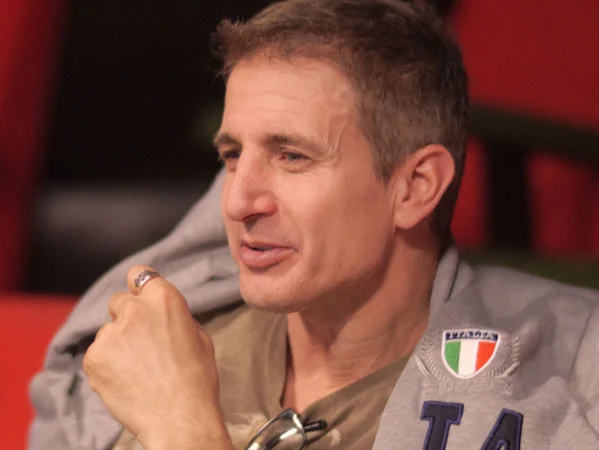
Billy Milionis


Billy Milionis is one of the few Australians to have studied under Sanford Meisner and has been a professional acting coach since 1994
Start today!