How Long Should You Study Acting For?
Stand Out

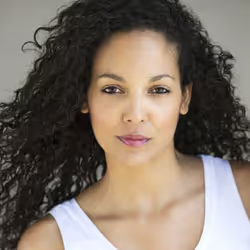
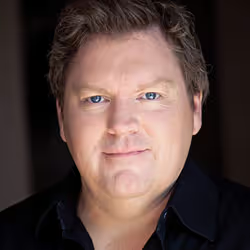


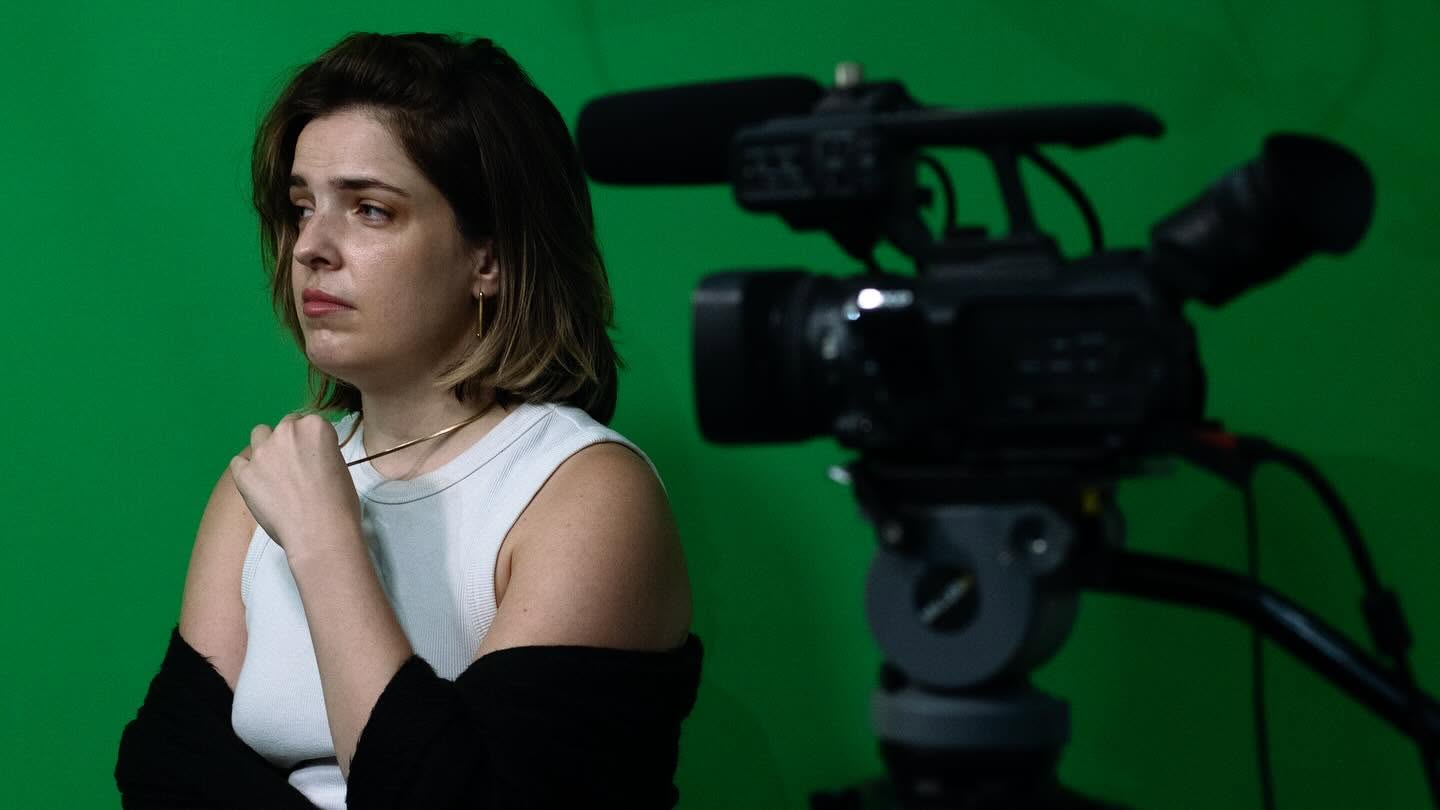
From Natalie Portman and Leonardo DiCaprio to Denzel Washington and Channing Tatum, some of the world's most established actors continue to train and work with acting coaches throughout their careers.
It's a good reminder that acting training isn't only about getting to the point where you're ready to work. It can continue to play a role as your skills, experience and career develop.
If you're just starting out, though, it's natural to want some idea of the commitment ahead of you. So, how long should you expect to study? Is a few months enough? Should you commit to a year or several years? And when are you ready to start pursuing auditions and professional opportunities?
How Long Does It Take to Learn Acting?
You can learn a great deal about acting in a matter of months, particularly if you're training consistently. However, understanding a technique and being able to rely on it in performance are two different things.
Early training is about developing your foundations, from listening and responding truthfully to analysing a script, making clear choices and working effectively with a scene partner. At first, you may be consciously thinking about these skills, but with practice and repetition they gradually become a more natural part of the way you work.
That integration takes time because acting isn't something you learn purely in theory. You need opportunities to put the technique into practice, receive feedback, make adjustments and apply it across different scenes and circumstances.
That's why acting training can be difficult to measure purely in months or years. Two actors who have both trained for a year may be at very different stages depending on their previous experience, how frequently they've trained and how much practical work they've done.
What Does Progress Look Like in Acting Training?
Progress isn't necessarily about reaching a point where acting suddenly feels easy. It's more about becoming increasingly confident in your technique and being able to apply what you've learned consistently.
You might find yourself responding more naturally in a scene, making stronger choices or becoming more comfortable taking direction and adjusting your performance. Over time, you're developing a process you can trust, both in class and when you begin taking that work into auditions.
Why Do Some Actors Progress Faster Than Others?
Actors don't all begin in the same place or train under the same circumstances, so naturally, progress will look different for everyone. Some of the biggest factors include:
- Consistency and intensity: Regular training and practice give you more opportunities to develop and reinforce your skills.
- Previous experience: Theatre, screen work, improvisation or earlier acting classes can all give you a foundation to build on.
- The technique you're studying: Some approaches take longer to develop and integrate than others.
- Your individual strengths: Some aspects of acting may come more naturally to you, while others take more time and practice.
- The quality of your training: Good teaching and constructive feedback can help you recognise habits, understand where you're getting stuck and make more purposeful adjustments to your work.
How Do You Know You're Ready to Start Auditioning?
You don't have to wait until you've mastered acting before you start auditioning. Instead, look for signs that you have enough technique behind you to approach an audition with some confidence and consistency.
You might be ready when you can prepare a scene independently, make clear choices and take direction without losing your connection to the scene. That doesn't mean you need to feel completely confident. Auditioning is a skill in itself, and some of that confidence can only come from experience.
For many actors, training and auditioning naturally begin to overlap. You might continue attending classes while creating self-tapes, auditioning for roles or starting to pursue representation, allowing your training and real-world experience to develop alongside each other.
Training Often Evolves Over Time
When you're starting out, it can make sense to train more intensively while you build your technique and gain experience. Full-time acting training, for example, allows you to immerse yourself in the craft and spend more time putting those foundations into practice.
That doesn't mean you'll need to train at the same intensity throughout your career. As you become more experienced and begin auditioning or working, your training may naturally taper or become more targeted. You might move into part-time acting classes, return for a short intensive, work directly with a coach or focus on a particular skill you want to strengthen.
Rather than thinking of acting training as something you either do or don't do, think of it as something that can evolve with you. How much you train, and what that training looks like, can change depending on where you are in your development and what you need at the time.
A Lifelong Commitment to Learning
Perhaps one of the best things about acting is that there's always more to learn. Your training can grow and change with you, from building strong foundations at the beginning to refining your craft as your experience and career develop.
After all, if Oscar-winning actors are still working with coaches, returning to training and finding ways to refine their performances, it says something about the nature of the craft. Staying at the top of your game takes ongoing commitment, curiosity and a certain amount of humility, no matter how experienced you become.
For an actor at the beginning of their journey, there's something reassuring in that. You don't need to have mastered every aspect of acting before you start auditioning or pursuing opportunities. Build a strong foundation, keep learning and allow your skills to develop alongside your experience.
If you're ready to take that first step, explore full-time acting training and part-time acting classes at The Actors Pulse.
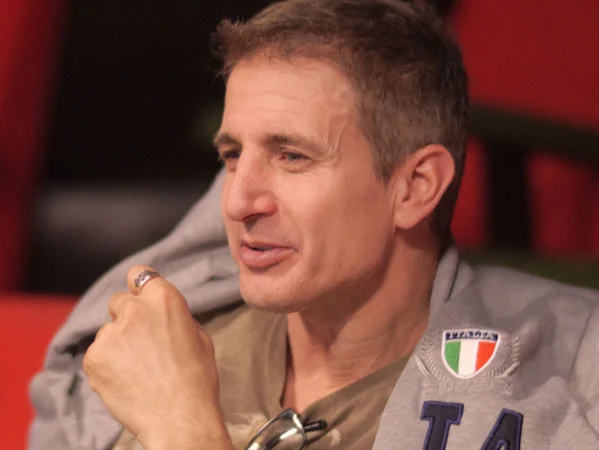
Billy Milionis


Billy Milionis is one of the few Australians to have studied under Sanford Meisner and has been a professional acting coach since 1994
Start today!