Meisner vs Method Acting: What's the Difference?
Stand Out




If you're looking into acting training, you've probably come across both Meisner and Method Acting. They're two well-known approaches, but they teach actors to connect with a character and scene in quite different ways.
So, what's the difference, and does it matter which one you learn?
Understanding how each technique works can help you decide which approach feels right for you, and why Meisner can provide such a strong foundation for both screen and stage.
What Is the Meisner Technique?
Developed by American acting teacher Sanford Meisner, the Meisner Technique is built around behaving truthfully under imaginary circumstances.
Rather than trying to manufacture emotion, you place your attention on the person you're acting with. You listen, observe and allow their behaviour to genuinely affect your response.
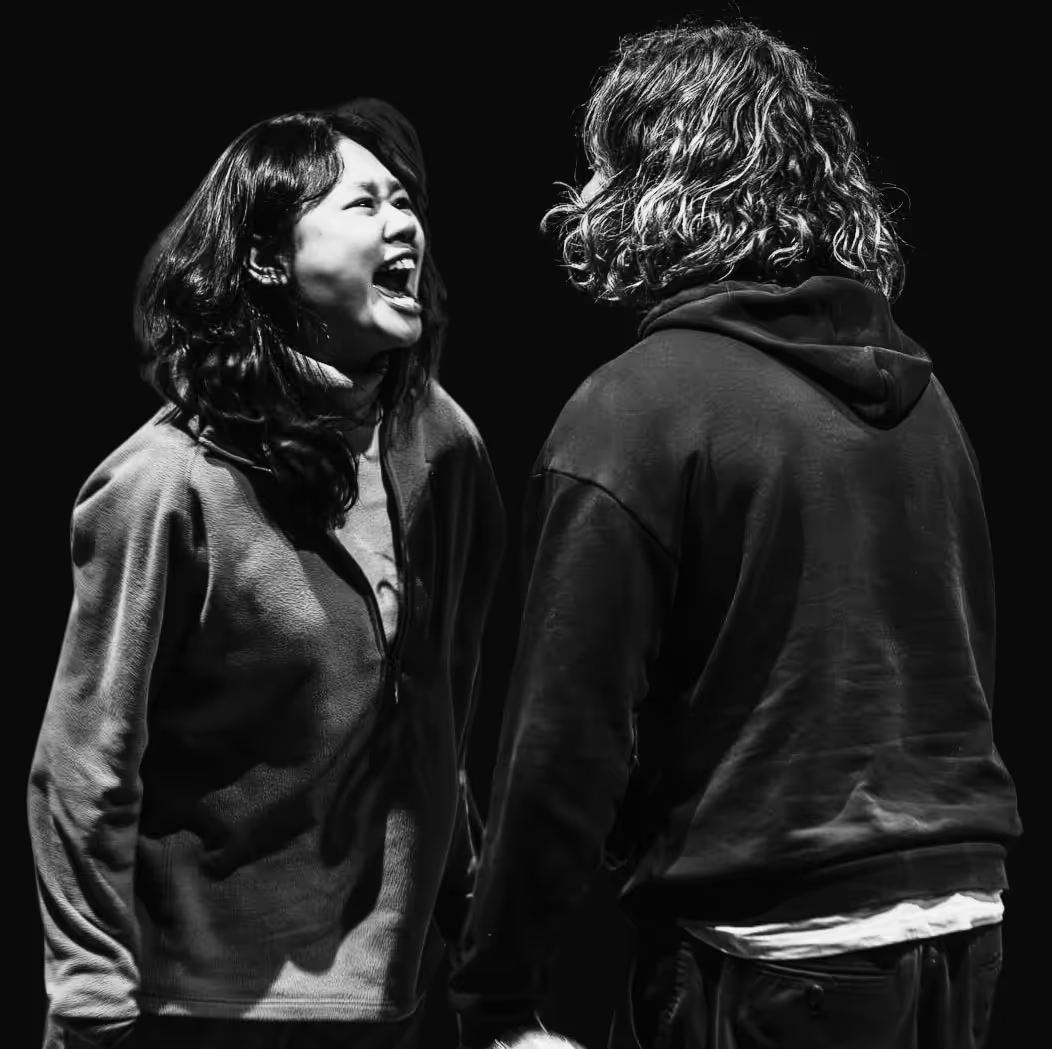
One of the best-known Meisner exercises is repetition, where two actors repeat a simple observation back and forth. As the exercise develops, the words become less important than what's happening between them. The aim is to get you out of your head and to respond instinctively.
As training progresses, exercises may include:
- Repetition and listening exercises
- Independent activities
- Emotional preparation
- Improvisation
- Scene work
Over time, you learn to trust your preparation, listen and respond to what's actually happening rather than planning how each moment should be played.
What Is Method Acting?
Method Acting is most closely associated with Lee Strasberg and, like Meisner, aims to create truthful behaviour. However, it places greater emphasis on the actor's internal experience.
Actors may use sense memory, personal experiences, imagination and emotional preparation to connect with a character and their circumstances. While Method Acting is sometimes associated with reliving difficult memories, this is only one part of a much broader approach to building a truthful performance.
Meisner vs Method Acting: The Key Differences
The easiest way to understand Meisner vs Method Acting is to look at where your attention goes and what drives the performance.
- Focus: Meisner primarily directs your attention towards your scene partner, while Method Acting involves more exploration of your own internal and emotional world.
- Emotional connection: Meisner encourages emotion to emerge from the circumstances and what's happening between actors. Method actors may use personal experiences, sensory work and imagination to develop that connection.
- Preparation: Meisner actors prepare but aim to let go once the scene begins. Method preparation may involve more individual exploration of the character's emotional and sensory world.
- Performance: Meisner places strong emphasis on spontaneous, moment-to-moment responses rather than trying to recreate a predetermined emotional result.
Both are ultimately aiming for truthful performance. For actors who tend to overthink their performance or worry about whether they're "acting well", however, Meisner's outward focus can be particularly useful. It gives you something immediate and real to respond to: the other actor.
Is Meisner or Method Better for Screen Acting?
Both techniques can be applied to film and television, but Meisner translates particularly well to the camera.
Screen acting often demands subtlety. The camera can pick up extremely small changes in expression and behaviour, so you don't need to demonstrate every thought or emotion to the audience.
Meisner's focus on listening and responding lends itself particularly well to this kind of subtle performance. Instead of trying to show the camera what your character feels, you're listening and allowing the interaction to affect you.
You'll still need practical screen skills, such as:
- Adjusting your performance for different shot sizes
- Maintaining continuity between takes
- Working with eyelines and marks
- Staying present despite cameras, crew and repeated takes
Method techniques can also be useful for screen actors, particularly when building a detailed internal life for a character. But if you're learning how to stop indicating emotion and start responding truthfully, Meisner provides a strong foundation for natural screen performance.
What About Stage Acting?
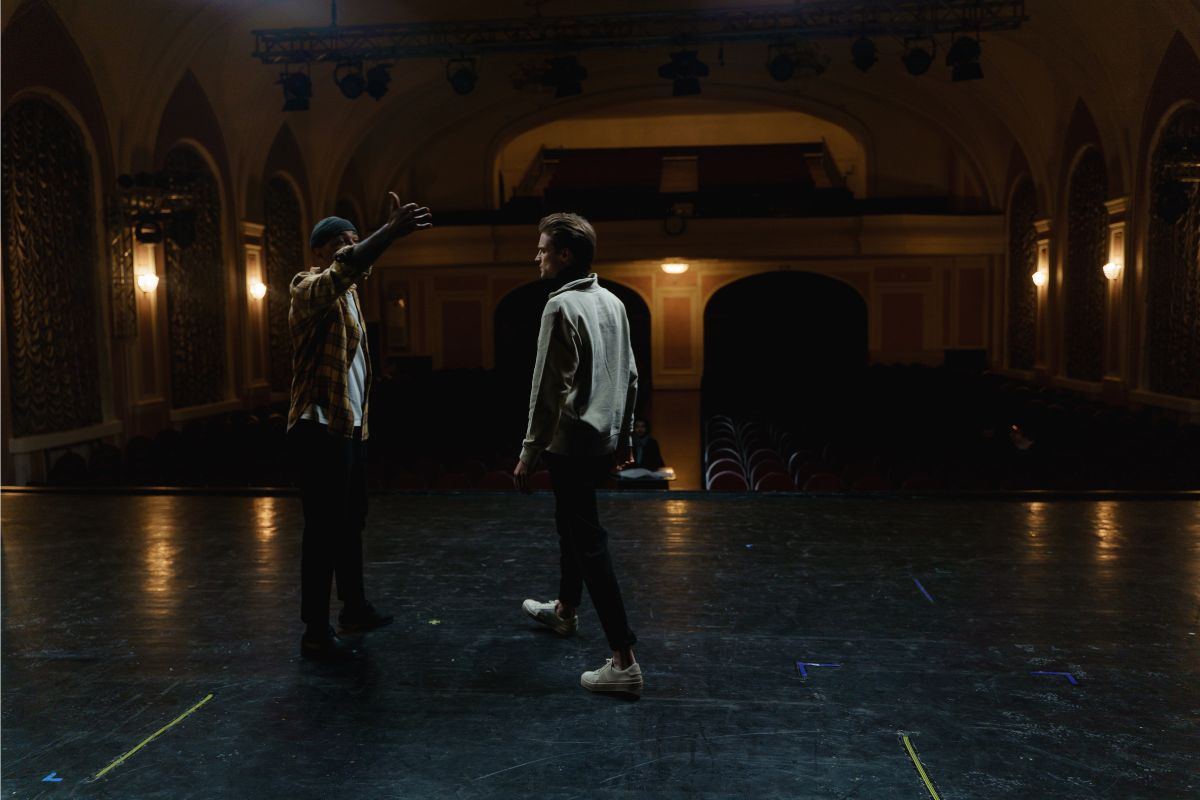
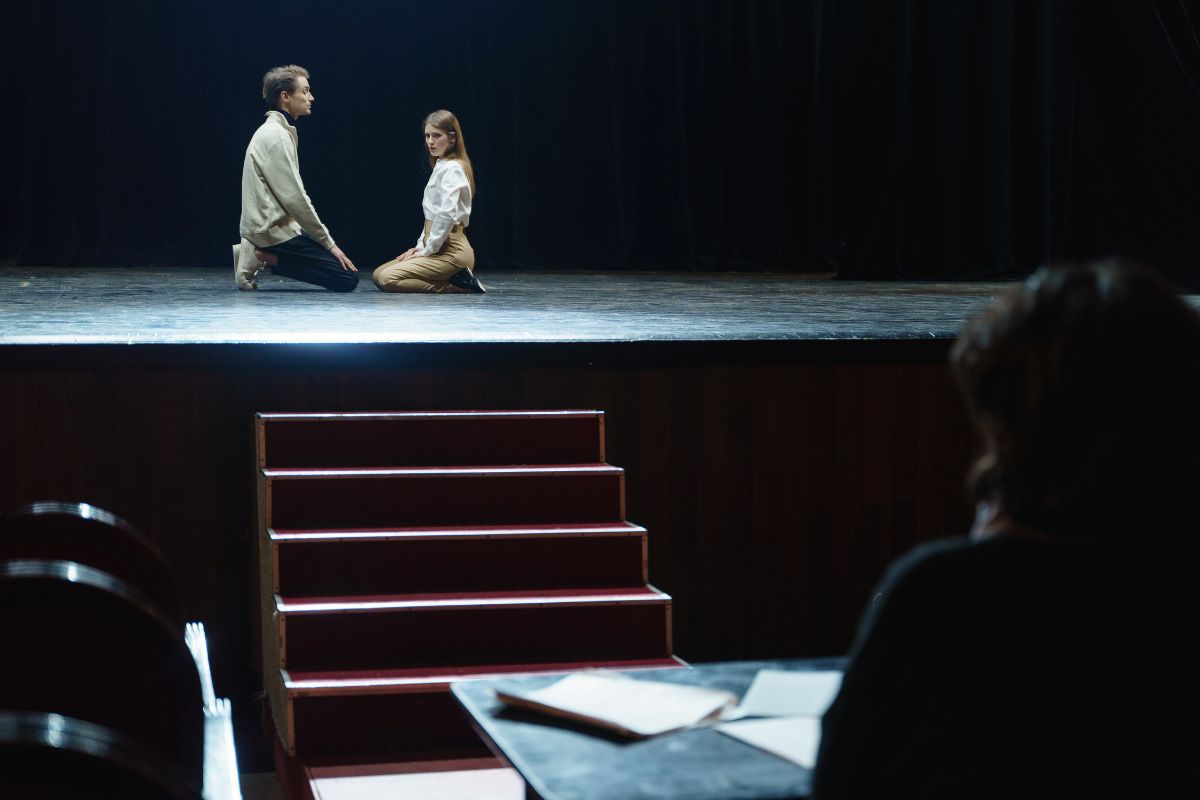
Meisner is particularly well suited to stage acting, where actors need to perform the same material night after night without letting it become mechanical.
By staying focused on your scene partner, you're not simply recreating yesterday's performance. You're listening, responding and allowing each interaction to unfold in the moment. The lines and blocking may stay the same, but the performance can remain fresh, connected and alive.
Method Acting can also help actors develop a strong inner life for a character, but Meisner's emphasis on genuine interaction makes it a powerful technique for the immediacy and unpredictability of live theatre.
Which Acting Technique Should a Beginner Choose?
If you're new to acting, you don't need to have your entire approach figured out before your first class. But it can help to think about the kind of actor you want to become.
Meisner may be a good fit if you want to:
- Get out of your head and become less self-conscious
- Develop stronger listening skills
- Respond more naturally to other actors
- Become more spontaneous and adaptable
Method Acting may appeal more if you're interested in using personal experiences, sensory work and internal preparation to connect with a character.
For many beginners, Meisner provides a strong foundation because it teaches you to stop focusing on how you're performing and start responding to what's actually happening in the scene.
The Actors Pulse: Australia's Premier School for the Meisner Technique

If the Meisner approach resonates with you, learning the technique in the right environment can make all the difference.
As one of the leading Meisner schools in the Southern Hemisphere, The Actors Pulse has built its training around the technique and the way it was originally taught. The school is led by Billy Milionis, who trained directly under Sanford Meisner himself and has spent decades passing that knowledge on to the next generation of actors.
Whether you're taking your first steps into acting or ready to train more seriously, you can explore our Meisner Technique classes through flexible part-time acting classes or immerse yourself more fully through the full-time acting program.
Whichever pathway you choose, you'll be learning the Meisner Technique in a school that has lived and taught it for decades.
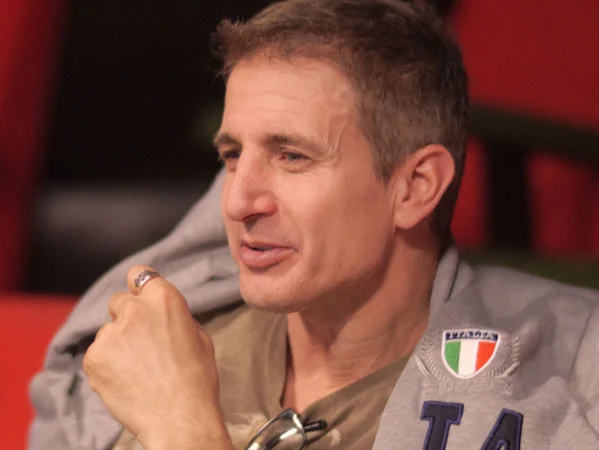
Billy Milionis


Billy Milionis is one of the few Australians to have studied under Sanford Meisner and has been a professional acting coach since 1994
Start today!